
Museum Queeries Reflects on the Opening of “Love Medicine” at the Mackenzie Art Gallery
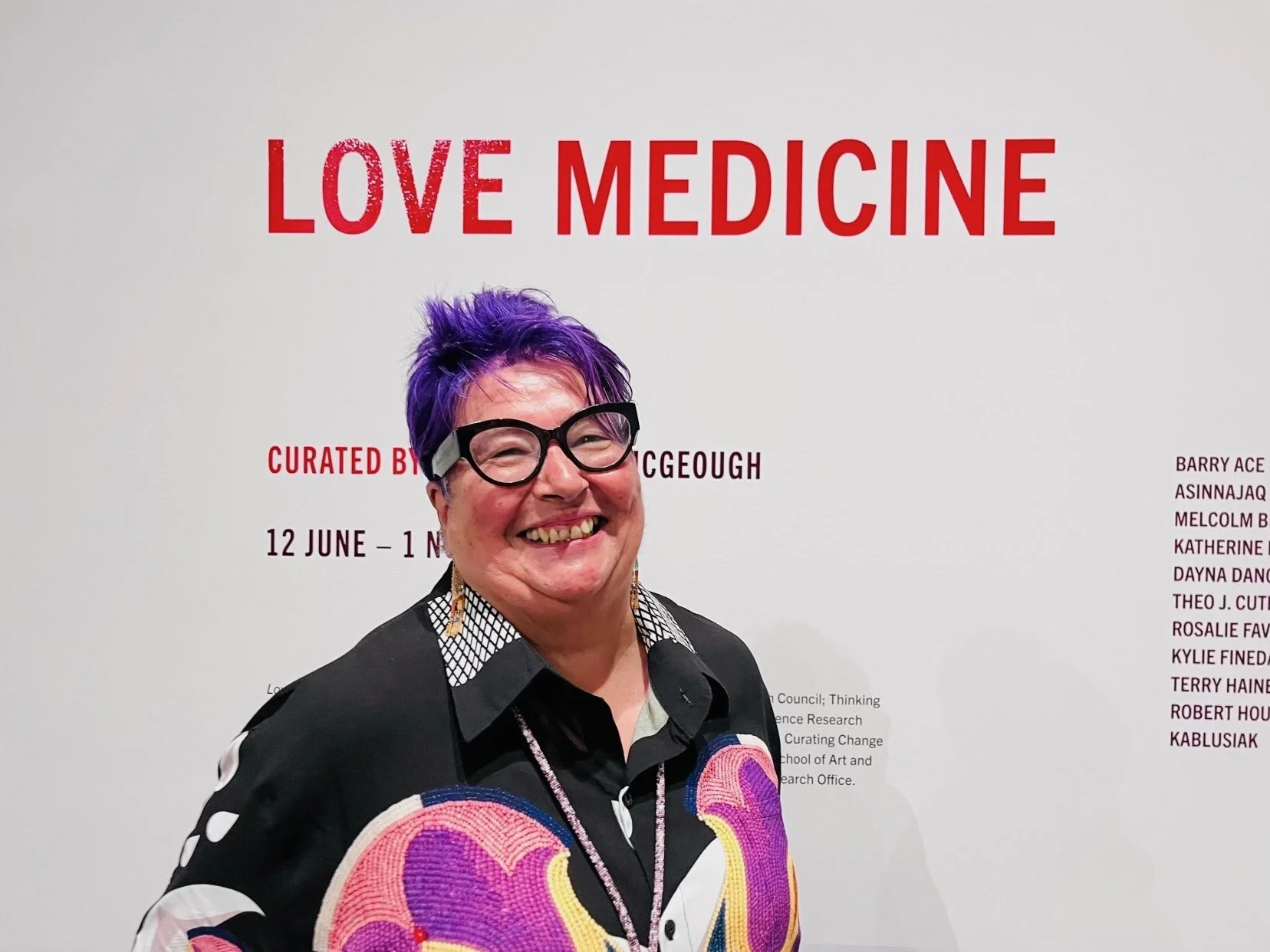
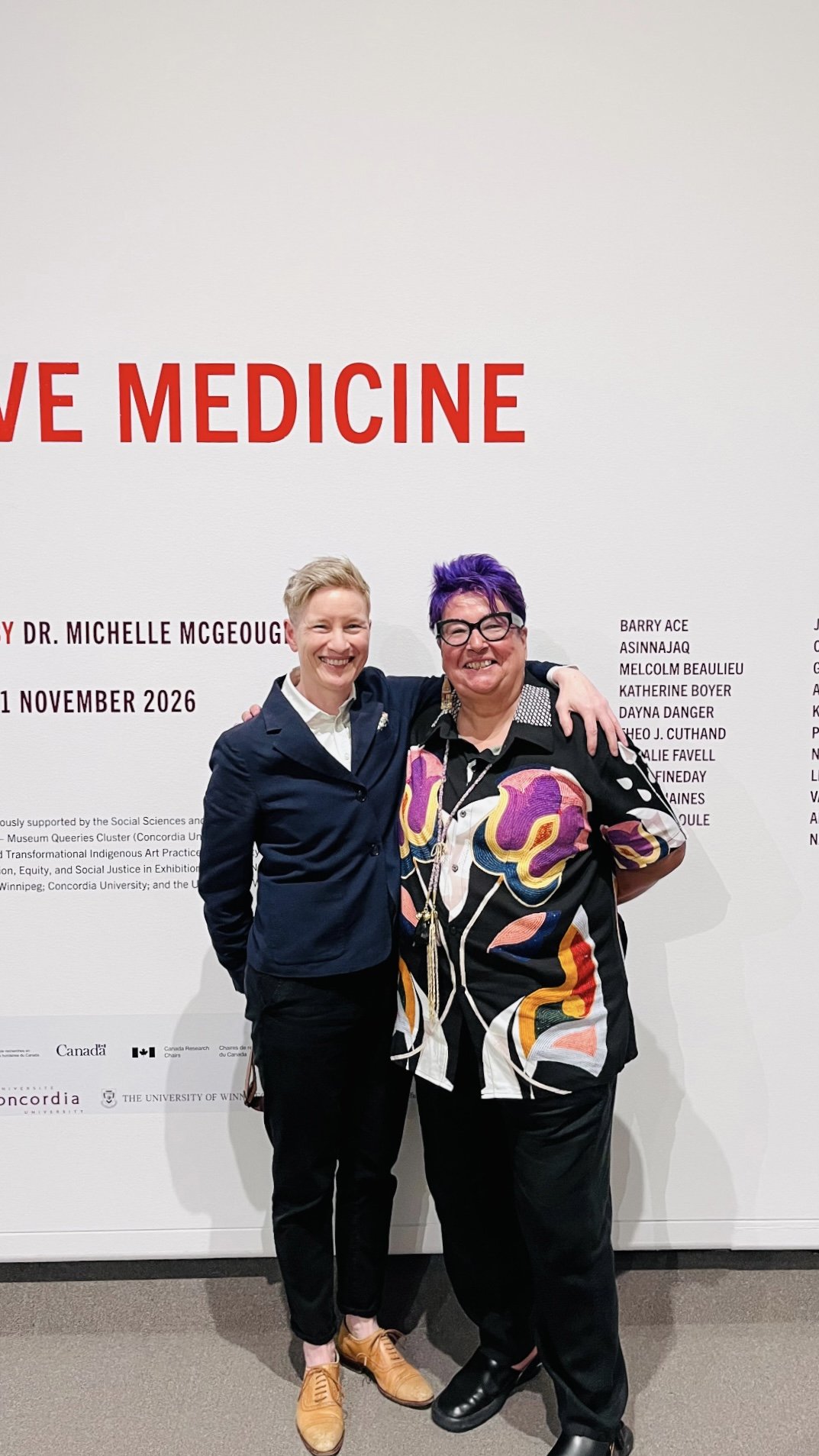
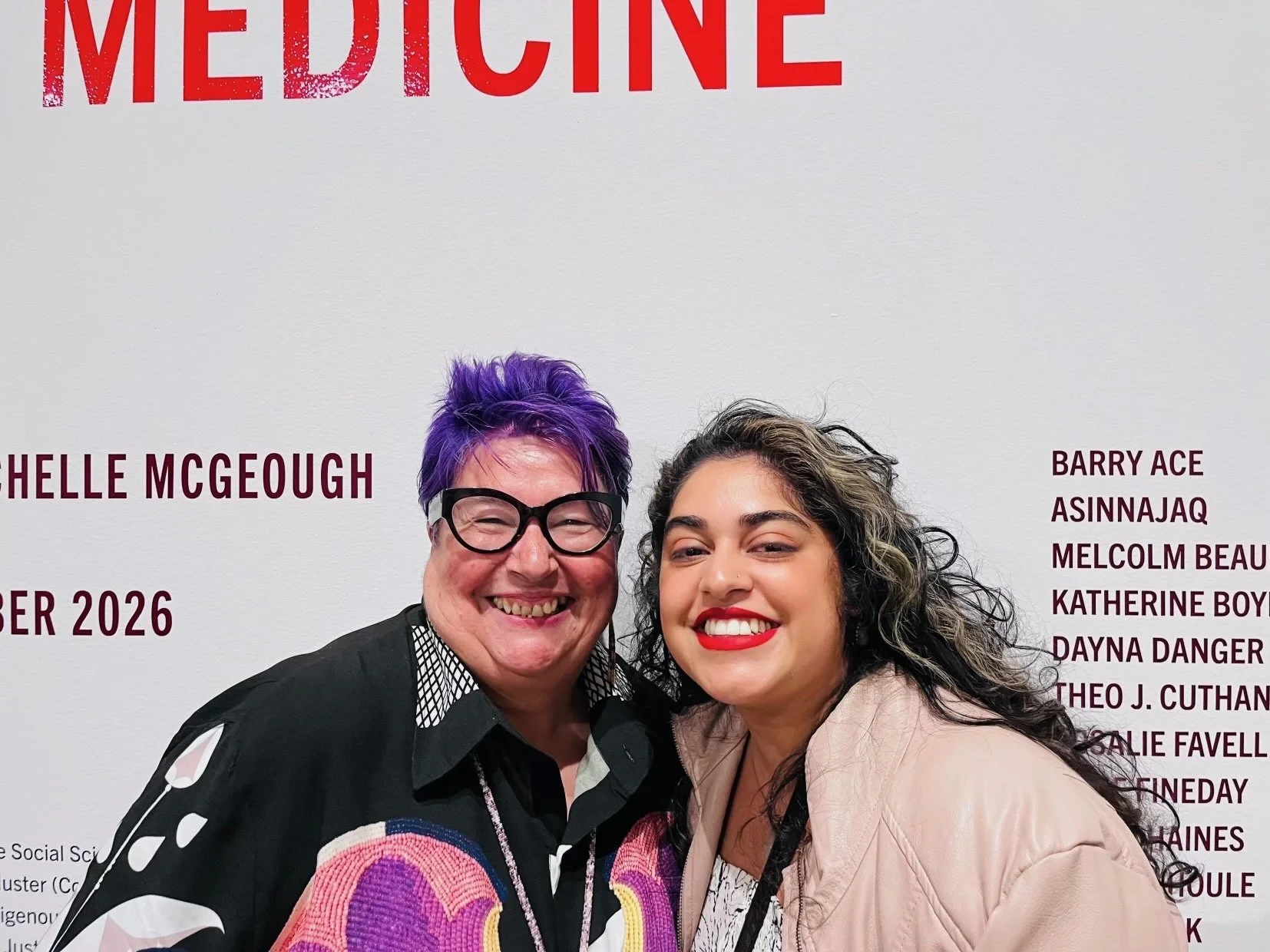
Love Medicine, curated by Métis art historian and TTTM/Museum Queeries Co-Investigator Dr. Michelle McGeough at the Mackenzie Art Gallery (Regina), aims to create a space of recognition and community, offering an artistic embrace in response to the historical traumas inflicted by the settler nation-state on 2Spirit/Indigiqueer bodies.
This exhibition is founded on the belief that love, expressed through artistic acts, is a powerful force for healing and affirmation. It features approximately 22 Indigenous 2SLGBTQIA+ artists whose works touch on various time periods and regions, and explore love as healing, community and belonging, affirmation and embrace, and resilience and identity.
On June 11th, 2026, Museum Queeries members travelled to Regina to attend the opening of the exhibition. Below are their SnapThought reflections on how the exhibition impacted them.
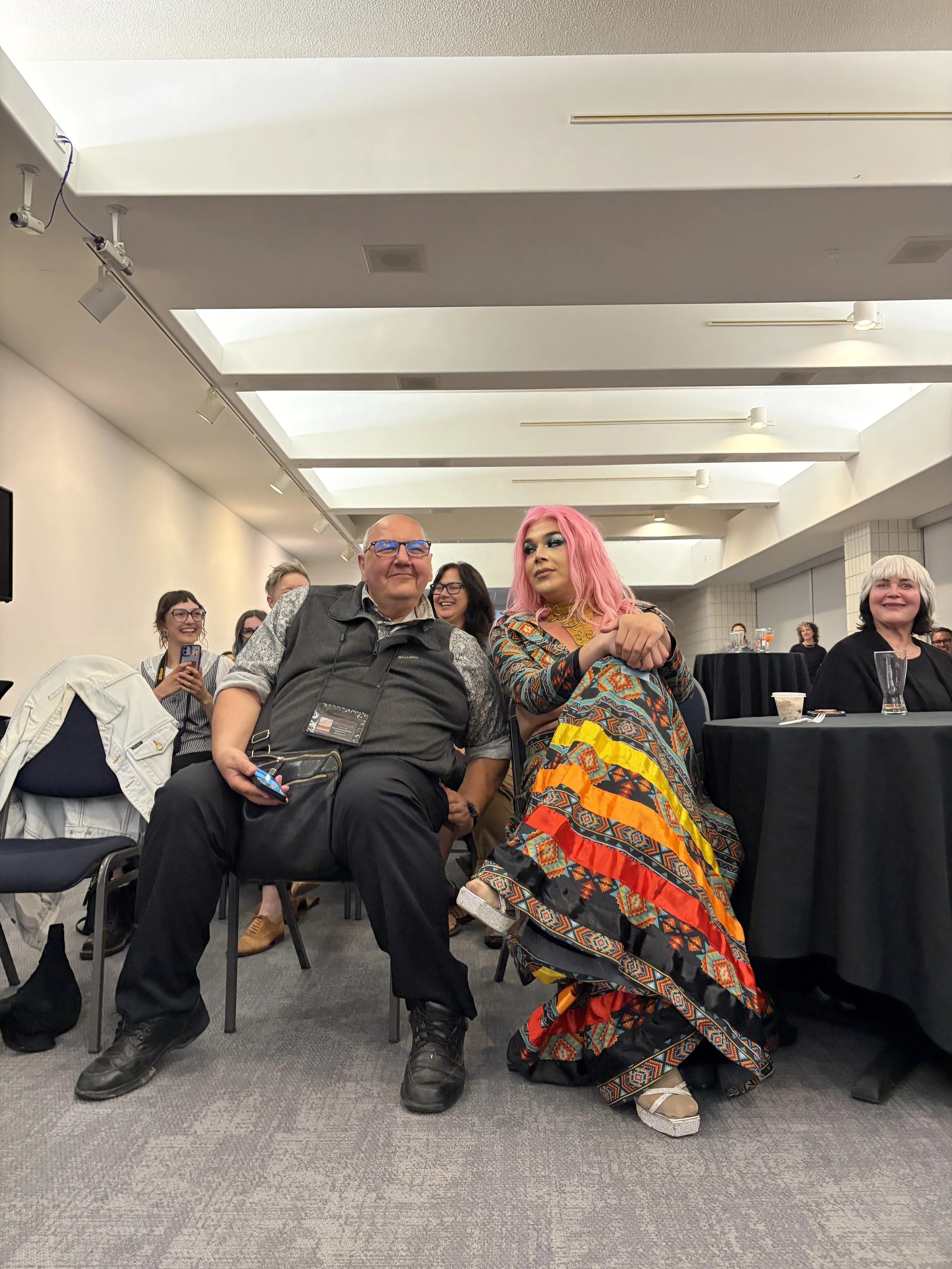
"The Love Medicine exhibition reveals the tenacious power of the Two-Spirit, trans, and queer Indigenous creative community. Through this, curator Michelle McGeough has demonstrated her ongoing commitment to Two-Spirit people, from community consultation, to choosing artworks that truly speak to Two-Spirit experiences, to dynamic accompanying programming. At the opening, Dene drag queen Chelazon Leroux performed while also sharing Indigenous understandings of sex, sexuality, and gender. She then walked museum goers into the gallery space, welcoming the opening of this monumental exhibition. Artworks by emerging and established artists alike, communicated with one another, not only illuminating the importance of intergenerational voices, but also demonstrated that both challenging and cheeky content can exist in tandem. Laughter is medicine after all, and it was truly a delight to attend!”
Adrienne Huard (Affiliate, Museum Queeries)
Image: Albert McLeod and Chelazon Leroux. Credit: Adrienne Huard.
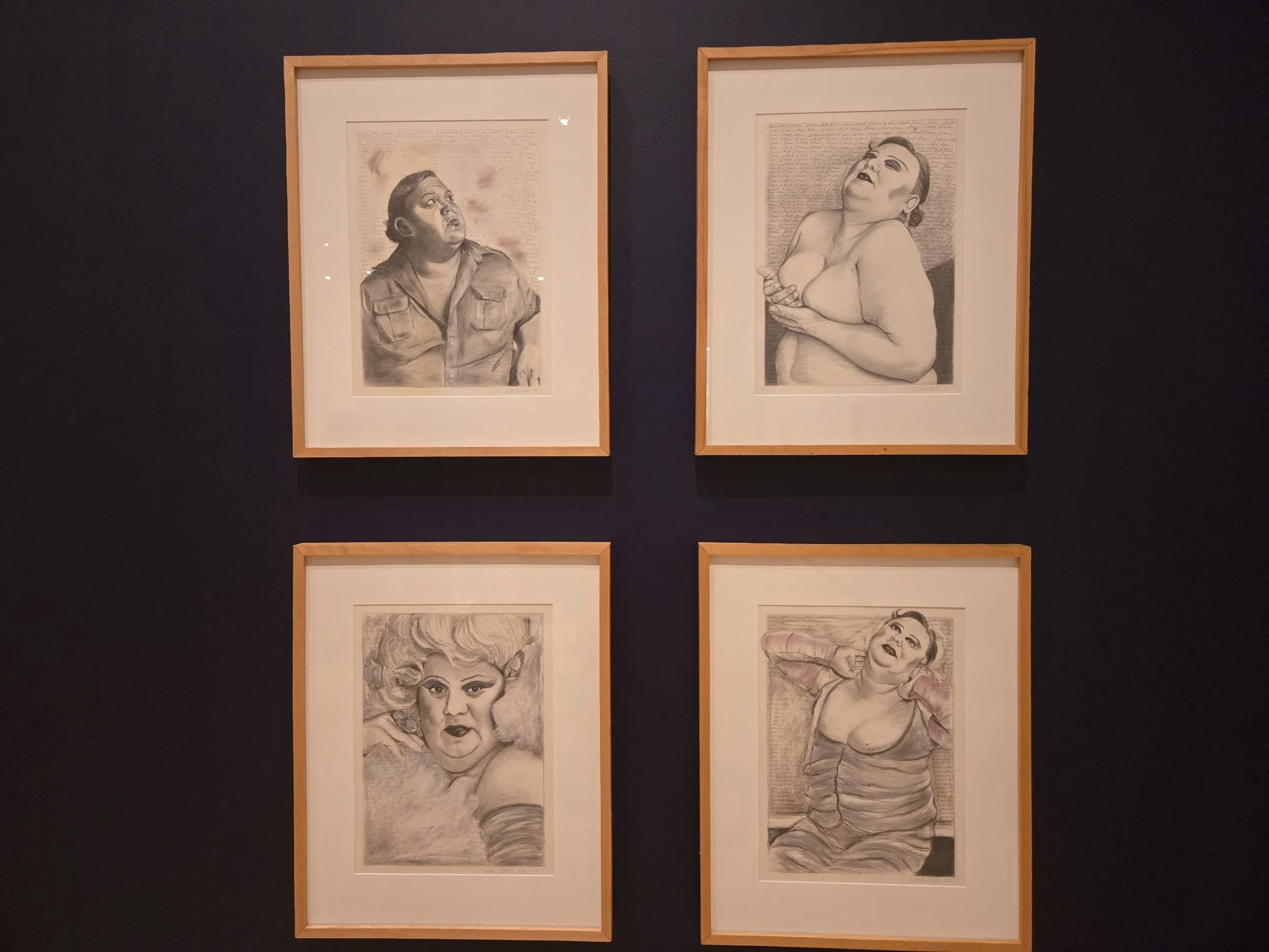
"As I listened to the opening welcome at the launch, I thought of my old friend Georgina (George) Ross, who had informally adopted three prairie youths arriving in Vancouver in the spring of 1979. She was a celebrated drag performer in the queer community and a member of the Greater Vancouver Native Cultural Society. She sensed our vulnerability upon arriving in a large coastal city and soon took us under her wing. I believe her Tsimshian (Ts'msyen) cultural value expressed as love medicine saved our lives when the AIDS pandemic ravaged our community. Upon entering the gallery, I found art work depicting her character and courage."
Albert McLeod (Founder, Two-Spirit Archives)
Image: Nanekawasis (George Littlechild). Princess Georgina White Feather # 1-4.
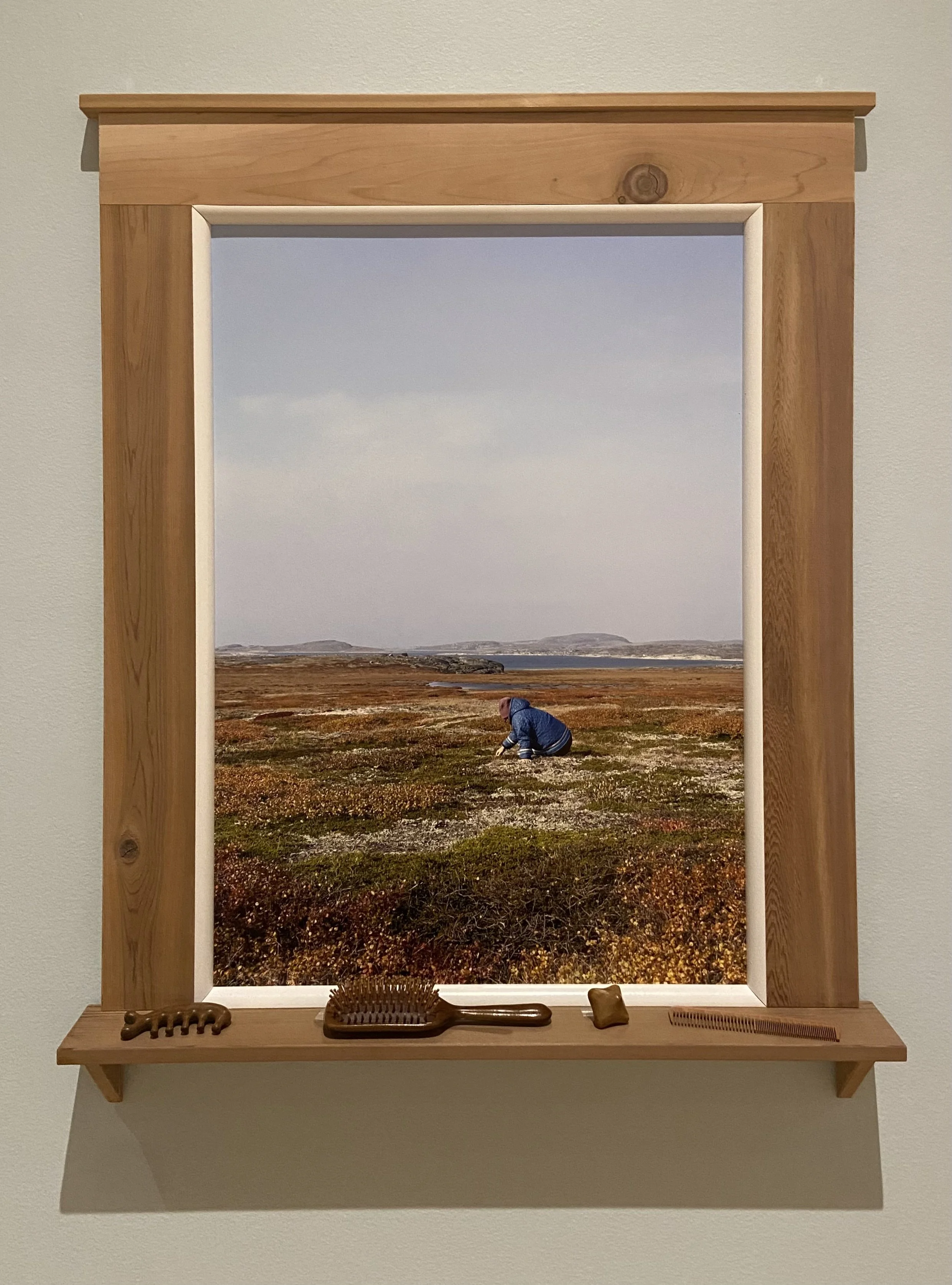
"The opening of Love Medicine brought so much love and care into one space and I felt grateful to share in it. It was really special to see friends gathered, relatives hugging, and big smiles thanks to Michelle McGeough's incredible curatorial work and the Two-Spirit and Indigiqueer artists who expressed their own forms of Love Medicine. After the recent passing of my grandmother, being surrounded by Two-Spirit and Indigiqueer relatives and their creative works was truly heart medicine. I felt particularly connected to the quiet serenity of tending (2026) by asinnajaq, like I was looking through a window to a memory of an old friend. This piece represents nurturing relationships and care, with the artist 'want[ing] to remind people that it is okay if love isn't flowing from one direction. You may make it flow elsewhere.'"
Em Penner (Research Assistant, Museum Queeries)
Image: asinnajaq. Tending, 2026. Mixed Media Installation. Commissioned with Support from Thinking Through the Museum and Curating Change.
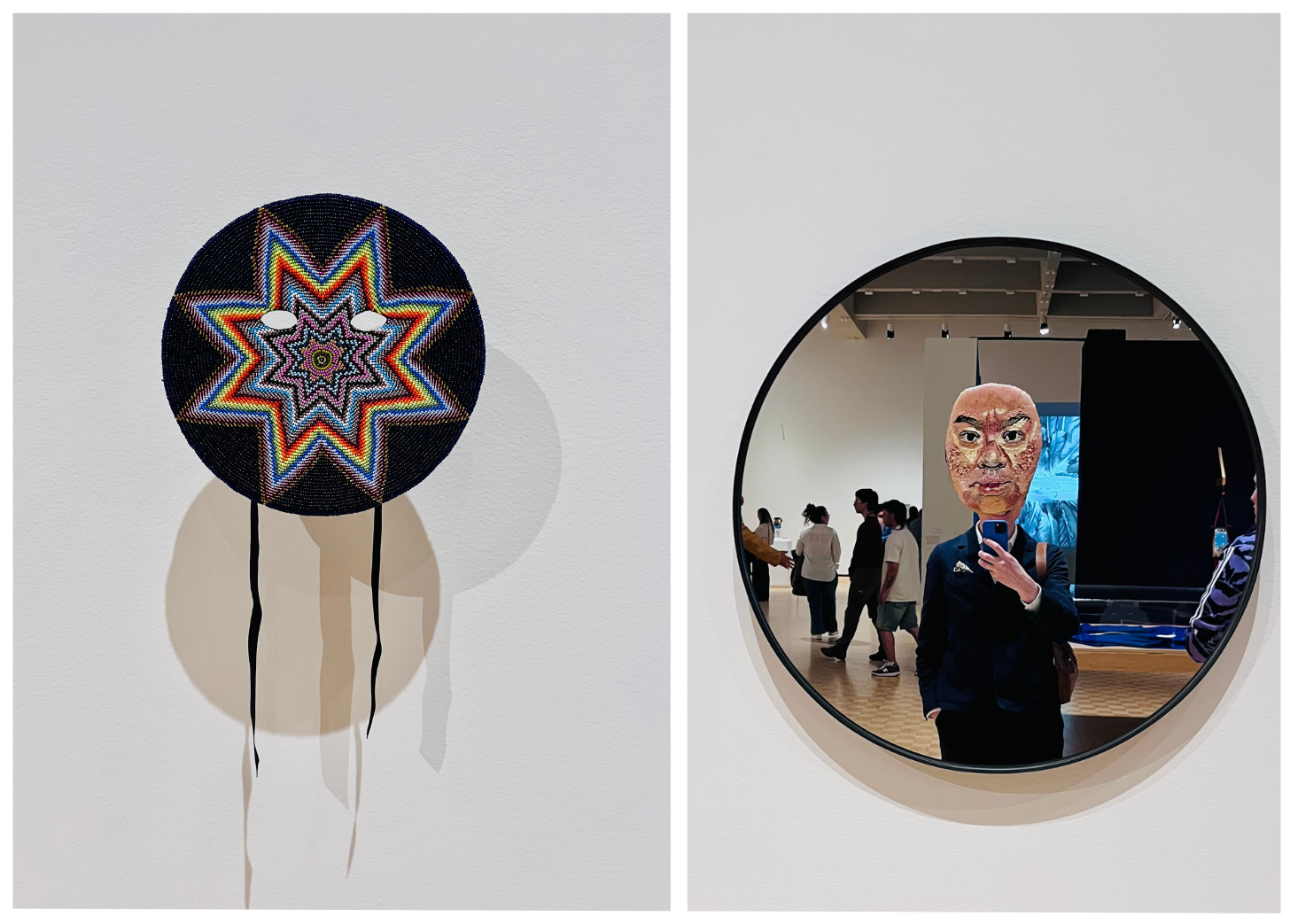
"It was such a joy to be at the opening of Love Medicine! The gallery was packed and buzzing with energy for curator Michelle McGeough's labour of love, which brought together Two-Spirit and Indigiqueer artworks and artists from different territories to celebrate healing, connection, and reclaiming desire. I was especially taken by Kylie Fineday's companion pieces mask (2023) and kahkiyaw (2026) that represent a conversation between the artist's emerging queerness and the beadwork practice they inherited from their grandmother. This is just one example of many incredible works in the exhibit that explores the relationship between intergenerational knowledge and queer intimacies.”
Angela Failler (Co-Investigator, Museum Queeries)
Images: Kylie Fineday, mask, 2023. Beads, mirror. & Kylie Fineday, kahkiyaw, (year). A beaded mask mounted on a mirror.