
SnapThoughts: We Were Not The Savages Book Relaunch

Picture by Krista Collier-Jarvis: The Fourth edition of We Were Not the Savages for sale at the book launch.
by Krista Collier-JarvisI owe a big thank you to the launch of the 4th edition of Daniel N. Paul’s seminal text, We Were Not the Savages, which reminded me how to be proud of my Mi’kmaq culture. The launch conveniently took place on September 30th, the second annual National Day for Truth and Reconciliation.
Also known as Orange Shirt Day, September 30th is when we wear orange to honour those children who never returned home from Canada’s Residential Schools. With the ongoing confirmations of unmarked graves at the sites of former Schools across Canada, the solidarity embodied by the sea of orange shirts at the book launch was even more important and emotional. The event was organized by Dr. Dorota Glowacka, a member of Thinking through the Museum and a Holocaust scholar and professor in the Contemporary Studies Program at the University of King’s College where the event was held. In keeping with Mi’kmaw tradition, the day opened with drumming led by Mi’kmaw singer, educator, and filmmaker Cathy Martin.
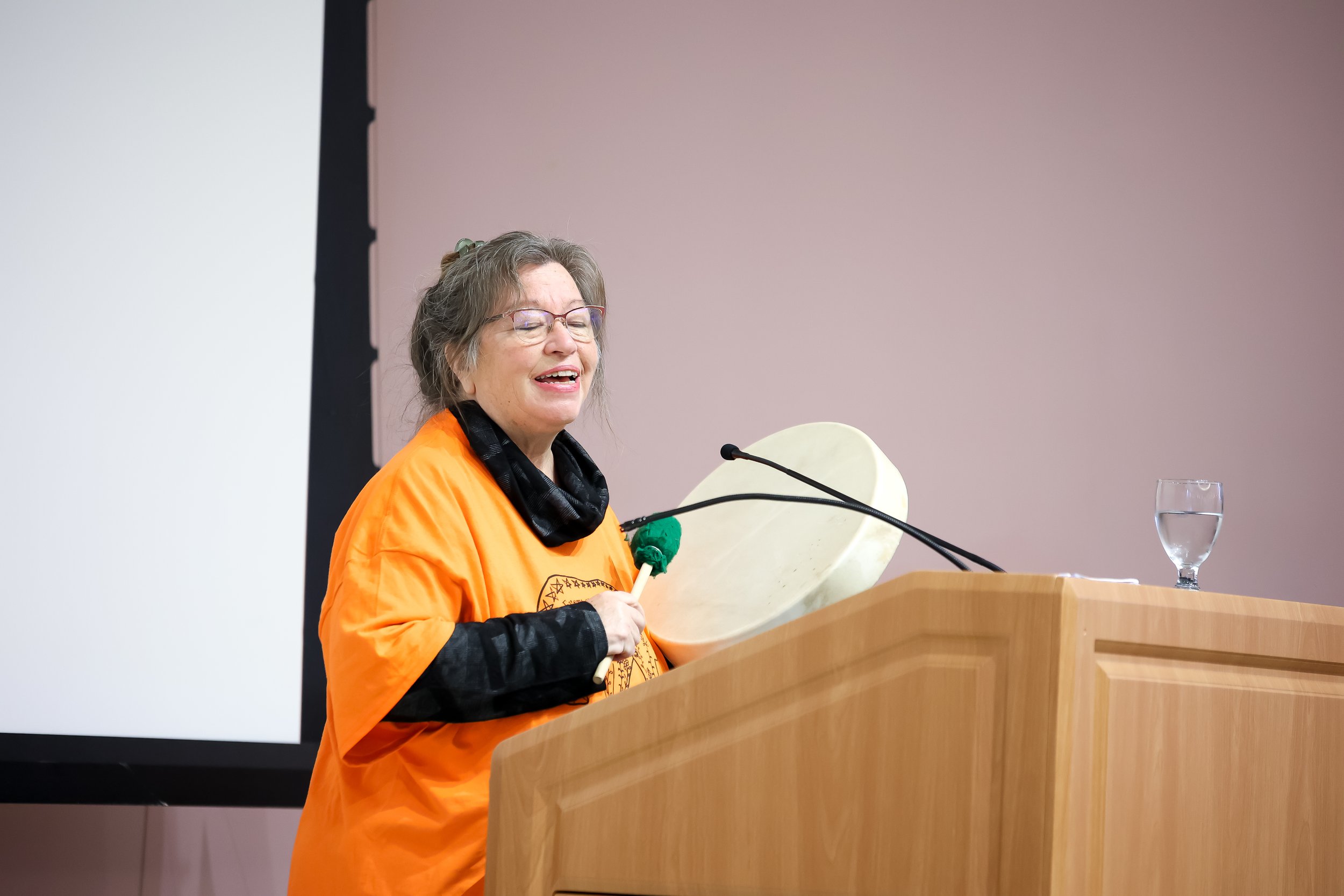
Picture by Krista Collier-Jarvis: Cathy Martin opens the event with drumming and song.
With the first beat of her drum, symbolising the heartbeat of Mother Earth, Martin brought us together. Dr. Pamela Palmater, who penned the Foreword for the new edition, inaugurated the event with a moving keynote. “Everything he [Paul] does is for us,” Palmater elucidated, “and when I say ‘us,’ I mean everyone in Mi’kma’ki.” Both Martin and Palmater focused their discourse on using collective pronouns not merely for Indigenous solidarity, but to invite everyone in the room into the community. King’s President, Dr. William Lahey, acknowledged the role of King’s in the history of colonization and how it, like many institutions on Turtle Island (North America), has benefited from the mistreatment of Indigenous nations. However, he admitted that acknowledgment is not enough, and he promises that King’s will do its part in reconciliation. Only time will tell whether he and King’s turn their words into ReconciliACTIONS. When Paul arose to speak, the room went silent. Paul shared a string of stories where the ending of one tale blended into the beginning of another, marking him as a true master of storytelling. What I found particularly overwhelming was when he shared with us that he just received news that his radiation treatments to combat lung cancer were successful.

Picture by Krista Collier-Jarvis: Daniel N. Paul shares some laughs with the audience.
Hopefully, this means Paul will be around for many more years to remind us why we should be proud to be Mi’kmaq. Because of his ongoing contribution to our community, we can openly proclaim, “we were not the savages.”
Explore the rest of TTTM’s blog

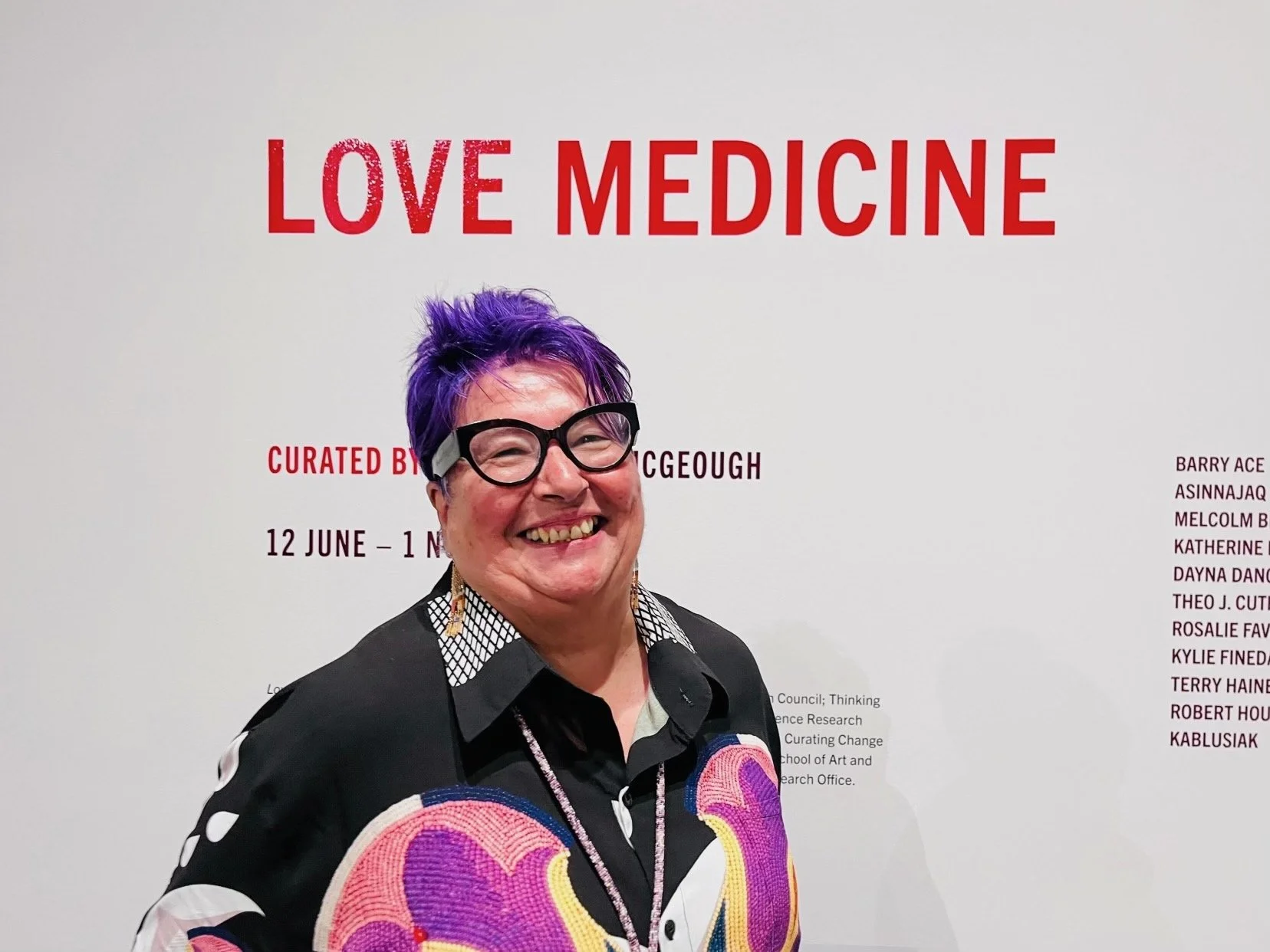
Love Medicine, curated by Métis art historian and TTTM/Museum Queeries Co-Investigator Dr. Michelle McGeough at the Mackenzie Art Gallery (Regina), aims to create a space of recognition and community, offering an artistic embrace in response to the historical traumas inflicted by the settler nation-state on 2Spirit/Indigiqueer bodies.
On June 11th, 2026, Museum Queeries members travelled to Regina to attend the opening of the exhibition. Below are their SnapThought reflections on how the exhibition impacted them.
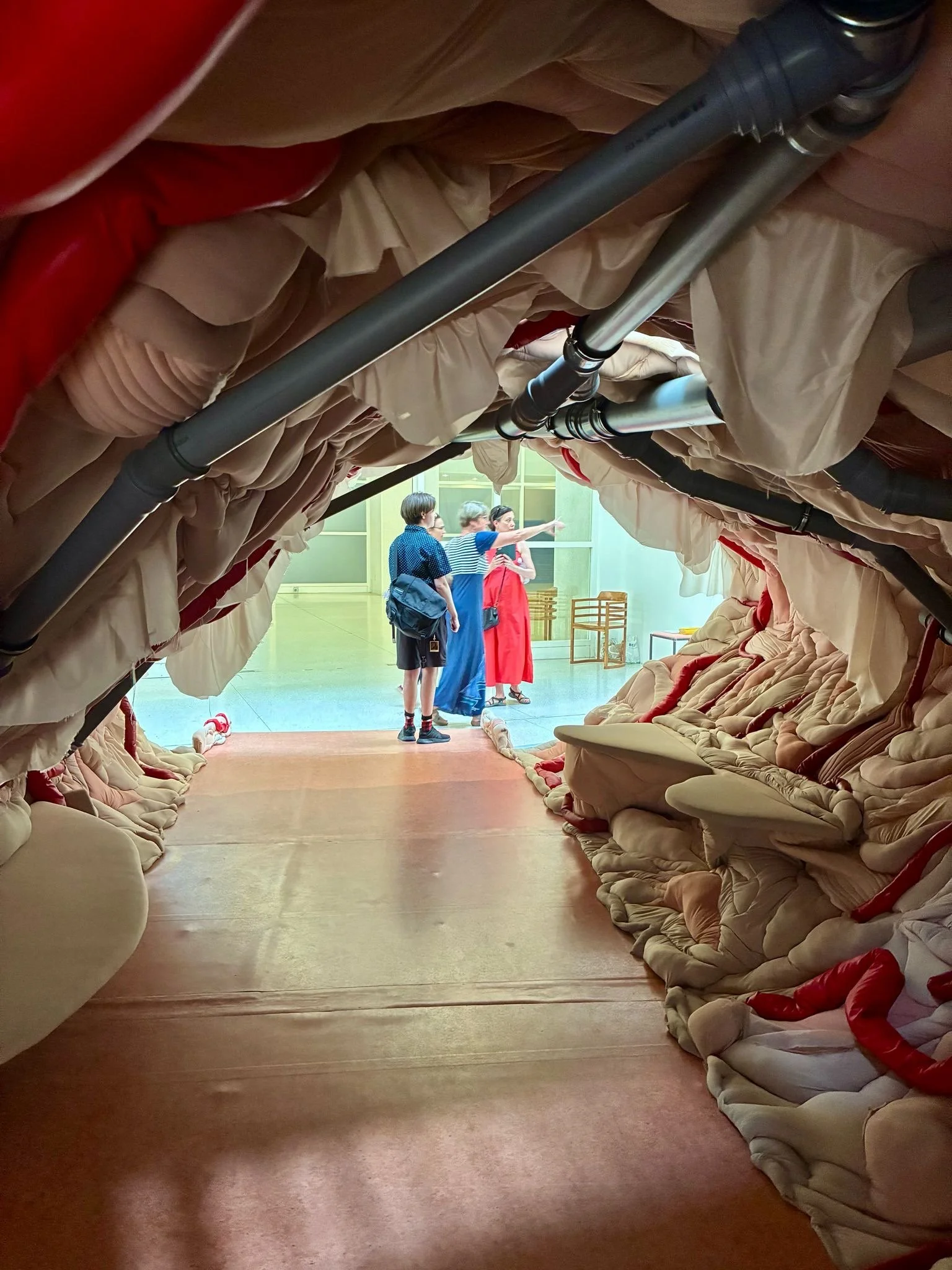
On one hot July morning, Prof. Markéta Křížová of Charles University led a group of TTTM’s National Heritage and Traumatic Memory (NHTM) research cluster members – gathered in the Czech capital to participate in the Memory Studies Association’s Annual Conference – through the streets and alleys of Prague, highlighting for us visible, if not , traces of the city’s implication in colonial histories. The walking tour formed the core of our cluster’s annual retreat, but it was also a much-needed exercise after the 5 intense days of panels, roundtables, and plenary sessions, all indoors. Strolling around back streets and bridges of Prague’s historic heart, Markéta pointed out various figures illuminated by the sun’s summer rays. Representing noblemen and Jesuit priests, some of them closely linked to Czech culture and history, with the latter particularly involved the ‘civilizational mission’ of spreading Christianity across the world – a key pillar of European colonial ideology.
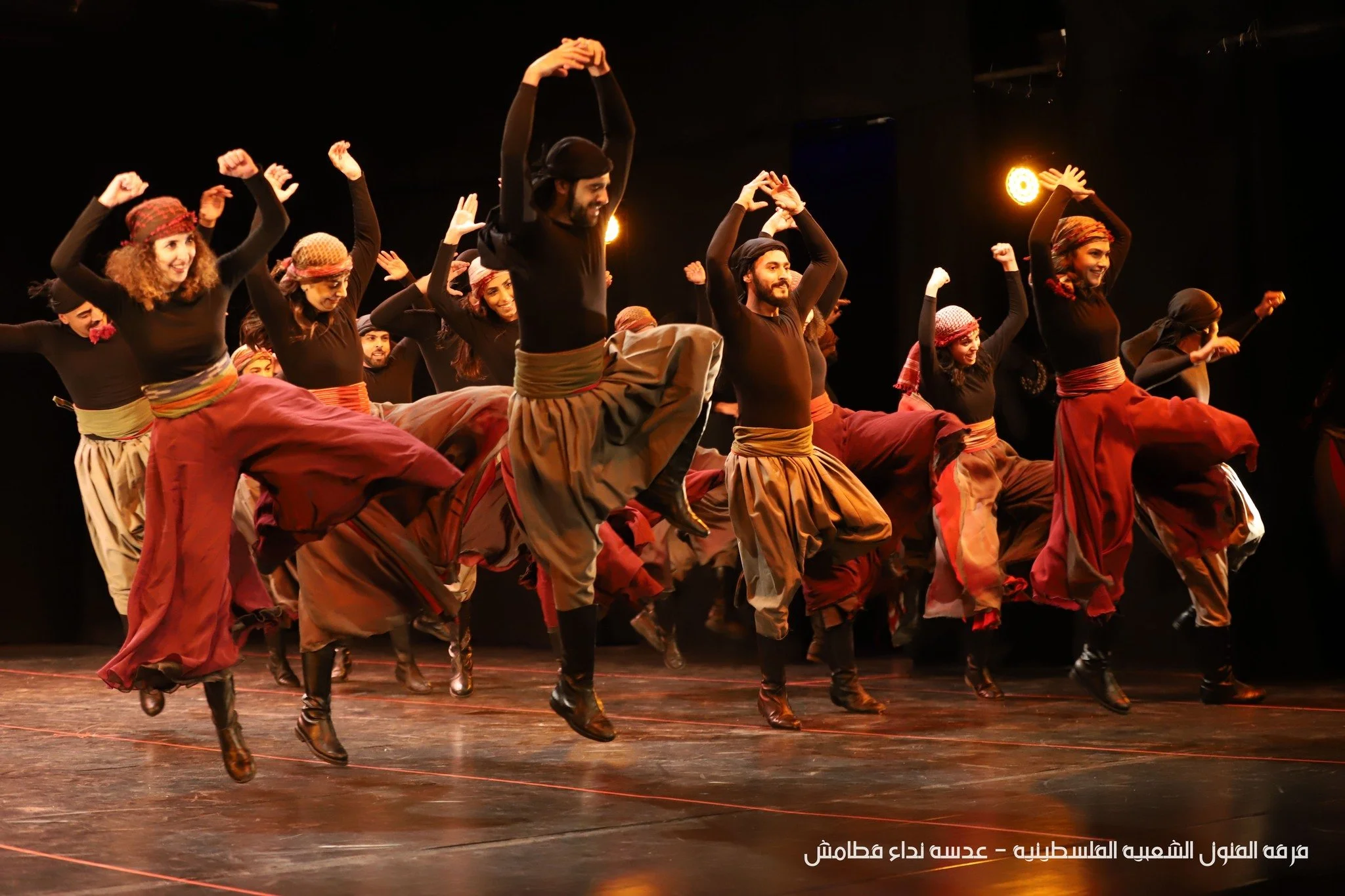
Hiba Burqan pulls on her experience of over two decades as a cultural worker in Palestine to illustrate how the past is still present in everyday Palestinian behaviours, practices, choices, and visual language. She explains how Palestinian cultural museums often look away from this rich contemporary cultural content in favour of content that highlights narratives of victimhood and cultural loss. This piece is a call to decolonize museum practices and to utilize more local approaches that could ensure the reflection of the perspectives and voices of Palestinian culture in Palestinian museums.

The panel “Museum Statements, Open Letters, and Institutional Critique in Times of Polycrisis,” held at TTTM’s annual gathering in Ottawa, brought together eight scholars and practitioners to explore the politics of museum statements in the face of current conflicts. Organized by Co-Investigator Dr. Shelly Ruth Butler and Research Assistant Varda Nisar, the panel addressed the question: Are public statements by museums useful? In this piece, Affiliate Hugo Rueda reframes the question as “to whom are such statements useful?” and investigates the tension between museums’ institutional authority and (often self-claimed) neutrality.

Research Assistant, Mahlet Cuff, reflects on visiting the exhibition “Practice as Ritual/ Ritual as Practice” as part of TTTM's 2024 Annual Gathering. Cuff highlights how the exhibition serves as an invitation for Black and African Diasporic individuals to reflect on shared histories and gives insight to the ways that Black Canadian curatorial practices have left an imprint within arts institutions and museums.

After attending the 2024 International Symposium on Children’s Education in the Art Museum on Designing Exhibition for Children, Dr. Patterson spent an additional week in Taiwan to learn more about the current state of child participation in Taiwanese museums. Chun- Hui Wang (Affiliate) helped organize site visits to some of the most important places implementing child participation, including the Huashan Prairie Playground, the Puppetry Art Center of Taipei, and the National Taiwan Museum of Fine Arts.

Katrina Hermann (TTTM Communications Coordinator) reflects on her participation in the Summer Institute in Museum Studies at Carleton University. This experience allowed her to understand museums in a more relational manner – that one of their greatest values exists in the interactions between the people served and the objects exhibited, and, most importantly, processes undertaken to continually improve this relationship. If museums want to embrace their inherent relationality, they must be dynamic and adaptable, instead of perpetuating practices rooted in rigidity and exclusivity.

Mika Castro (TTTM Research Assistant) reflects on what it means to be "emerging" in the field of museum studies and how their research can exist outside of traditional academic and institutional boundaries.

This past Fall, I watched Mati Diop’s Dahomey (2024), a film about the repatriation of 26 Benin Bronzes looted from the Royal Kingdom of Dahomey (present-day Benin) by French colonists. The film, which I would describe as made in the style of documentary, but haunted by the spirit of phantasmagory, follows the Benin Bronzes as they commence their homeward journey from the Musée du quai Branly in Paris through the logistical underbelly of museum crating, shipping, condition assessments, public debates, and their ceremonial unveiling through public exhibition.

How can museums better engage with children in ways that are inclusive, respectful, and fun? Chun-Hui Wang reflects on how her work in children’s museums in Taiwan has been influenced by Dr. Monica Eileen Patterson and details two talks Dr. Patterson gave in 2024 at the Taoyuan Museum of Fine Arts and the Kuandu Museum of Fine Arts.
Kacper Dziekan (TTTM Affiliate/Postdoctoral Fellow) reflects on what it means to be "emerging" in the field of museum research and the benefits of non-traditional academic career paths.

Looking through photographs from the national ArQuives (previously the Canadian Lesbian and Gay Archives) located in Toronto, I found images of gay liberation marches in Winnipeg from the 70s, 80s and 90s. They made Winnipeg’s Queer community seem large. It was apparent that people came out in numbers to fight for their rights with organizations such as the “Winnipeg Lesbian Society.” Notably, however, not one Black person is visible in these photographs …
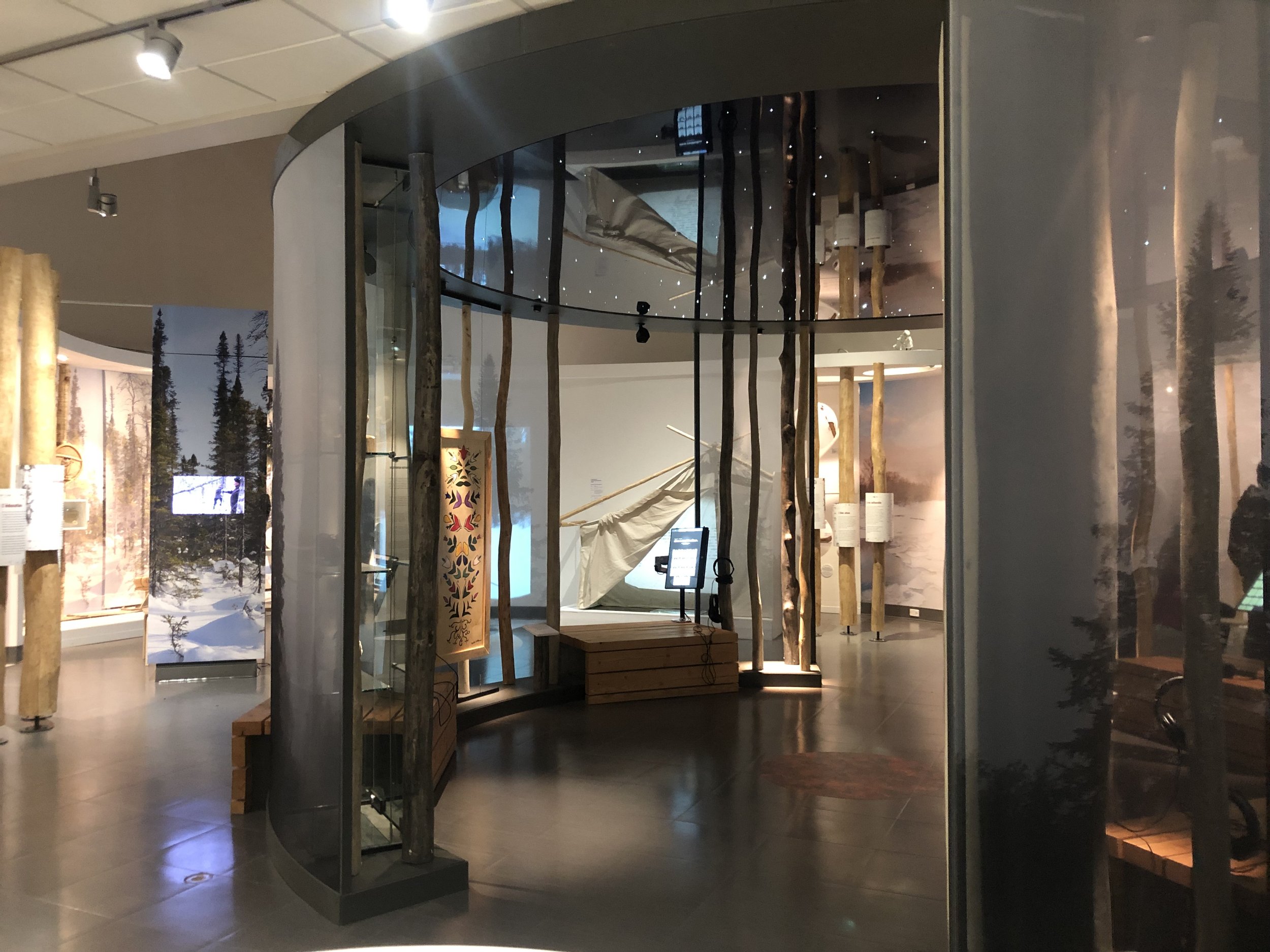
TTTM Affiliate, Karine L’Ecuyer, reflects on her visit with Mashteuiatsh Ilnu Museum team members in February 2024.

In “Blackening the Louvre Museum: Beyoncé, Jay-Z, and the Legacies of Slavery” , art historian Ana Lucia Areujo argues that Jay-Z and Beyoncé’s music video for their song Apeshit – in which the duo and Black dancers perform in the Louvre’s empty halls and in front of some of its most famous pieces – is an example of Blackness being celebrated in a space in which it is not usually present, namely the Louvre. I had never been to the Louvre before, but I had heard that it was a massive space, so when I came face to face with the famous glass pyramid in July of 2023, I was grateful to have something to orient my visit. I took note of the pieces that Areujo mentions – ones that (however inadvertently) engage with legacies of slavery – and I decided to keep an eye out for additional instances where celebrations of empire and European creativity could have made room for the acknowledgment of the legacies of colonialism and imperialism.
A short text and photo essay created by TTTM’s Emerging Scholars and Practitioners Committee (ESPC) Representatives, Rebecca Friend and Karina Roman Justo, reflecting on their experiences:
In light of Anishinaabe-kwe curator Wanda Nanibush’s recent, troubling, and abrupt departure from the Art Gallery of Ontario, we are sharing this interview from the forthcoming book Beyond Museum Walls (Jagiellonian/Columbia University Press), in which Thinking Through the Museum’s Heather Igloliorte converses with Nanibush about the tremendous Indigenous and decolonial accomplishments Wanda and her colleagues realized at the AGO during her tenure. The interview was conducted in 2019 on behalf of the Beyond Museum Walls research project (funded by the Social Science and Humanities Research Council of Canada), but the publication was delayed by the COVID-19 pandemic; the book will now be published in early 2024.

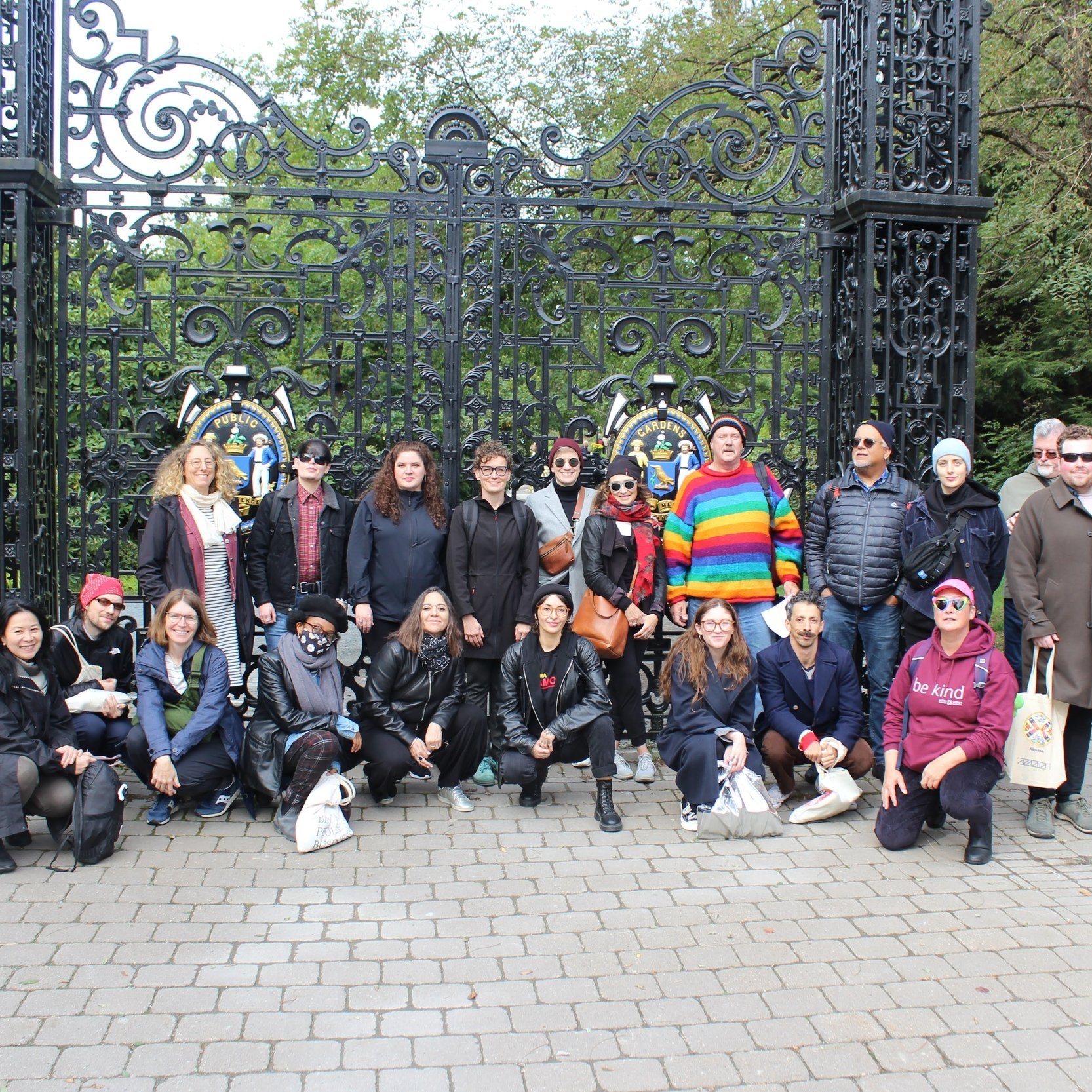
Three short texts written by members of TTTM’s National Heritage and Traumatic Memory Cluster, reflecting on their experiences.
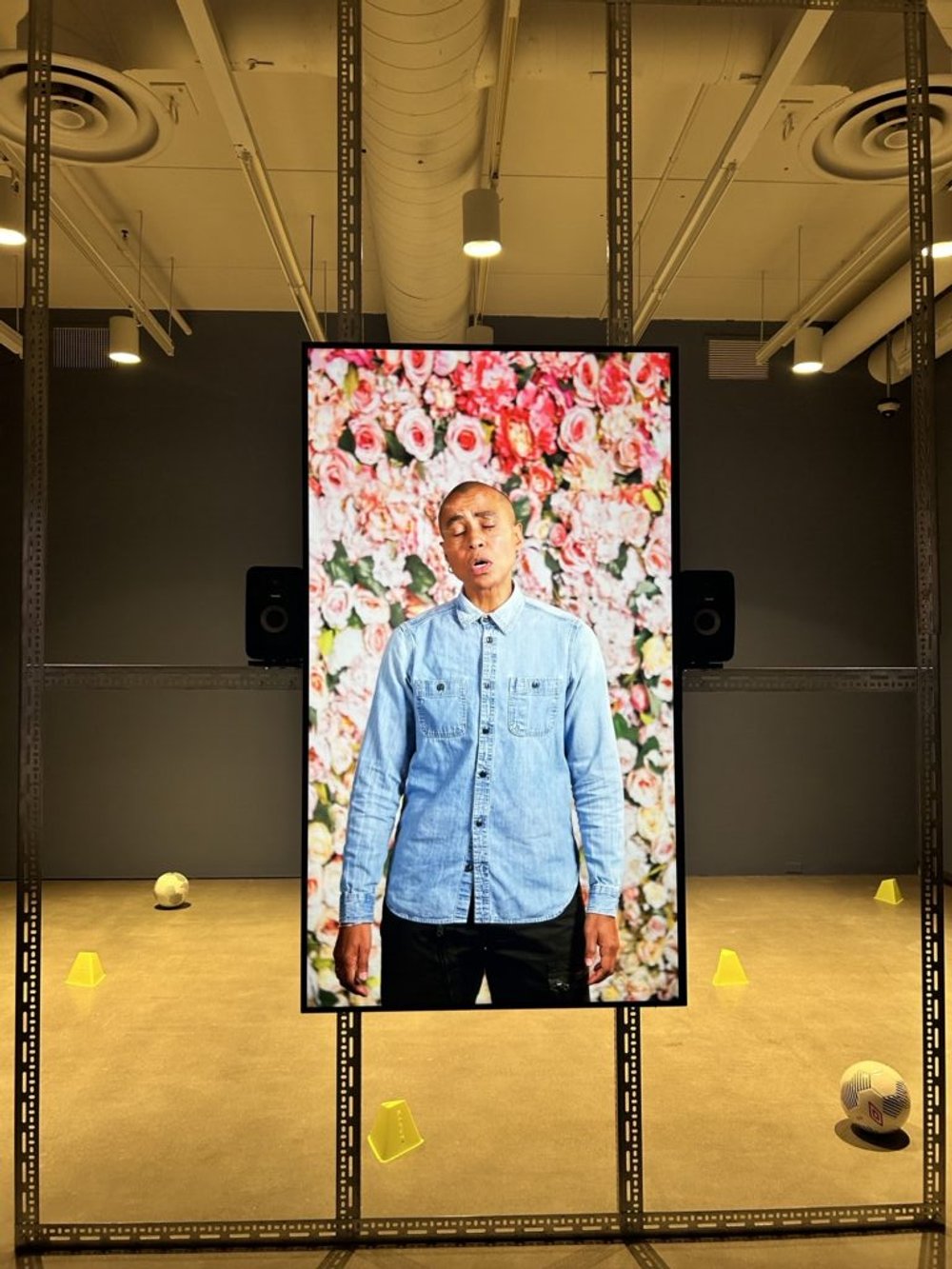
On March 11, 2023, Museum Queeries members visited Plug In Institute of Contemporary Art to see Quantum Choir by Michèle Pearson Clarke and also attended an artist talk at Club 200 featuring Clarke and Alanna Fields.

This graphic recording is a collaborative project emerging from work between Museum Queeries Cluster Research Assistant Mika Castro and graphic recording artist Devon Kerslake at the University of Winnipeg.
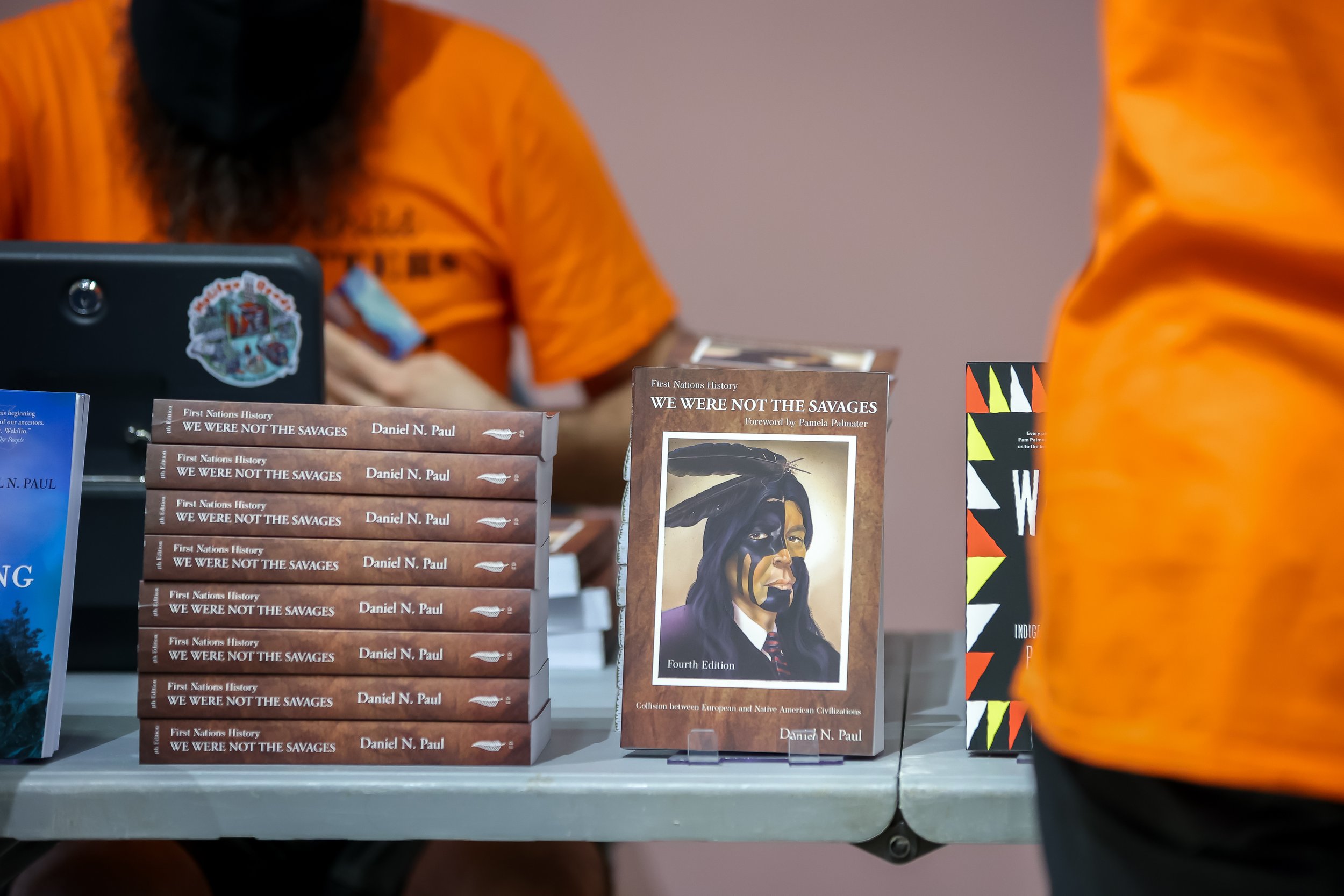
Launch of the 4th edition of We Were Not the Savages by Daniel N. Paul, on September 30th, 2022.

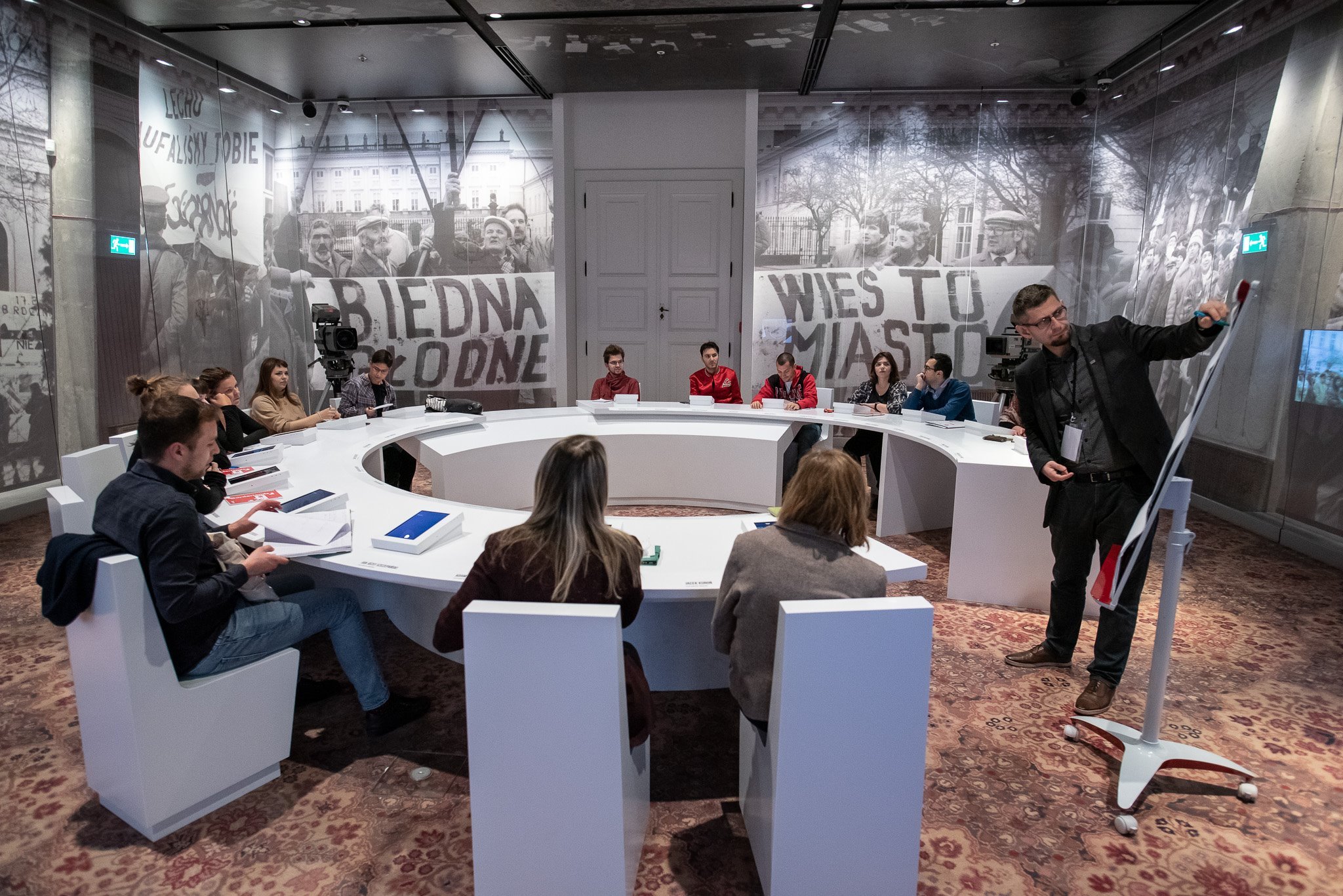
Reflections from TTTM’s first face-to-face workshop, hosted by the POLIN Museum in Warsaw, Poland.

Hosted by the Children’s Museology Cluster, the Annual Gathering, themed Intersections in Critical Curating, brought together members and collaborators at Carleton University, the Canadian Museum of History, and the Ottawa Art Gallery (OAG). Over four days of vibrant discussion, exhibition tours, and workshops, participants explored themes of decolonization, intergenerational engagement, and radical inclusivity in museum spaces.